General dentistry
Stop Grinding Your Teeth At Night
Roughly 1 in 3 adults grind or clench their teeth — most of them in their sleep, without knowing it.
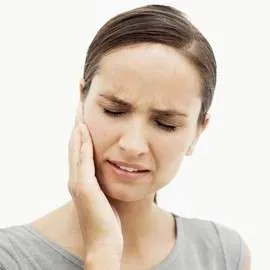
“Many people grind their teeth, often without knowing it — a habit that dentists call bruxism.”
Teeth worn shorter by grinding he never felt
He didn’t feel himself doing it. Nobody does. That is the thing about grinding your teeth at night. His wife heard it sometimes. The real evidence was in his mouth: edges worn flat and smooth, teeth measurably shorter than they’d been a few years back, a jaw that ached before his feet hit the floor.
A night guard is a simple idea: a fitted piece that goes over your teeth while you sleep, so the grinding wears on it instead of on you. It’s made from a mold of your own mouth, not pulled off a shelf. He asked us why nobody had caught it sooner. Fair question. It’s quiet damage, and quiet damage is our job to go looking for.
Do you often wake up with headaches? Do you have a sore jaw when you get out of bed in the morning? Have you noticed that one or more of your teeth or crowns are chipped?
These could all be signs that you may be grinding your teeth while you sleep or throughout the day.
If you have pain or discomfort near the jaw joint region (near the ears), we encourage you to schedule an appointment with Dr. Jim Forester.
What is Bruxism (Teeth Grinding)?
When a person grinds or clenches his or her teeth (usually while sleeping), bruxism may be diagnosed. The clenching or grinding is done with force, which can lead to significant tooth damage and other painful and annoying symptoms. (Source: American Dental Association — MouthHealthy)
It is fairly common and should be taken seriously. Receiving proper treatment is very important to minimize the chances of more complicated, painful side effects and consequences.
However, much like sleep apnea, bruxism is a problem that could go ignored and undiagnosed. Many people do not know they suffer from bruxism until someone else tells them (usually their bed partner). (Source: American Dental Association — MouthHealthy)
- frequent headaches
- migraines
- tooth pain or sensitivity
- jaw joint pain or soreness (near the ears)
- ringing in the ears
- earaches
- damaged or chipped teeth, broken crowns, teeth worn down flat
- muscle soreness (jaw and/or facial muscles)
Why do People Grind Their Teeth?
There are many reasons why people grind or clench their teeth, but the two most common reasons are:
- High Stress and Anxiety (during waking hours)
- Airway Issue (during the sleeping hours.) We can screen for sleep issues and quality.
How to Treat Teeth Grinding With a Night Guard
Because the cause of clenching and grinding varies greatly from patient to patient, treating grinding and clenching requires an understanding of WHY it is being done, as the causes are many. Dr. Forester has extensive training to determine the cause and recommend the appropriate solution individualized for each patient. There is no “one size fits all” night guard. Often, the store bought soft guards that are like a sports mouthpiece make it worse for patients by bulking up their muscles and increasing the damage.
Various solutions may include:
- Helping solve airway issues
- Making a custom night guard appropriate for the problem
- Calming the big chewing muscles with Botox
Call our office to schedule a dedicated exam for your personal assessment.
Bruxism Treatment from Lifetime Smiles
Dr. Forester has significant training and experience treating TMJ and occlusion (the manner in which the lower and upper teeth come together when biting down). He will help to solve the issue and to manage the TMJ/occlusal problems.
We are more than happy to answer any questions you have regarding TMJ disorders.
Questions people ask us
Frequently asked questions
Something else on your mind? Call or text (770) 232-1830.
What is bruxism?
Bruxism is grinding or clenching your teeth, usually while sleeping, often without knowing it — a habit that dentists call bruxism. The clenching or grinding is done with force, which can lead to significant tooth damage.
Source: American Dental Association, MouthHealthy — Teeth Grinding.
How do I know if I'm grinding my teeth?
Most people aren’t aware that they are clenching or grinding their teeth. Signs include pain or tenderness in your jaw, dull headaches, plugged, painful or itchy ears, and chipped or cracked teeth or worn, damaged spots along the edges of teeth. Dentists and dental hygienists are often the first to notice these signs.
Source: American Dental Association, MouthHealthy — Teeth Grinding.
Why do people grind their teeth?
Bruxism is usually thought of as a symptom of stress, but it can also be caused by sleep disorders, teeth that don’t line up properly, and missing or crooked teeth. One study revealed that teeth grinding is associated with tobacco and alcohol use — researchers found that people who smoke or drink alcohol or coffee are twice as likely to grind their teeth as people who don’t.
Source: American Dental Association, MouthHealthy — Teeth Grinding.
What happens if grinding goes untreated?
If you grind your teeth, it’s important to safeguard them from the damage this habit can do, including chipped or cracked teeth, worn teeth, jaw pain, and headaches.
Source: American Dental Association, MouthHealthy — Teeth Grinding.
How does a night guard help — and is a store-bought guard the same?
Your dentist may recommend a night guard to protect your teeth while you sleep. A custom guard, made from a special mold that your dentist creates, will give you the closest, most comfortable fit. Night guards are also sold online and in stores, but may not provide the same protection as a guard made just for you. Night guards are not the same as sports guards, which are designed for active sports and have extra cushioning that probably won’t feel comfortable for sleep.
Source: American Dental Association, MouthHealthy — Teeth Grinding.
Do I need an exam if I don't feel pain?
Because most people grind while sleeping and may not know it, and dentists are often the first to notice the signs, an exam can catch grinding early. Lifetime Smiles offers a dedicated exam for a personal assessment.
Source: American Dental Association, MouthHealthy — Teeth Grinding.

Reviewed by Dr. Jim Forester
James G. Forester, DDS · Emory University School of Dentistry, 1981 · Kois Center Clinical Instructor since 2019 · Practicing in Johns Creek since 1997
Come see us
We can’t wait to see your smile.
Neighbors caring for neighbors, and new faces are always welcome. Call us — we’ll save you a chair.