
General dentistry
Fight Gum Disease
Nearly half of American adults over 30 have some form of gum disease — most don’t know it.

“Gum disease is an infection of the tissues that surround and support your teeth — and a major cause of tooth loss in adults. Because it is usually painless, you may not know you have it.”
Research between systemic diseases and periodontal diseases is ongoing. While a link is not conclusive, some studies indicate that severe gum disease may be associated with several other health conditions such as diabetes or stroke. (Source: American Dental Association, MouthHealthy — Gum Disease)
Bleeding gums he had written off as normal
A little blood in the sink when he brushed. Puffiness he couldn’t quite see. Breath he worried about in close conversations at work. He’d absorbed all of it into “that’s just my mouth,” the way people do.
Gum disease is quiet like that. It usually doesn’t hurt, which is exactly why it gets a head start. When we find it, the work is mostly about getting things clean below the gumline, where a brush and floss can’t reach, and then keeping them that way together. No lecture about the years it went unnoticed. What matters is where your gums are headed from here, and that’s something we can actually change.
Signs of Gum Disease and Periodontal Disease
- Bleeding, swollen, or red gums— These are three signs of gingivitis (the first stage of periodontal disease). You will notice blood when brushing and flossing. You will also notice the gums appearing as a dark red instead of a healthy pink color. If caught early on, gingivitis is reversible with treatments such as antibiotics or scaling and root planing.
- Receding gums— It can be a bad sign if your gums are pulling away from the teeth, as well as if there are gaps between your teeth and gums. This can produce sensitivity since the gums are no longer providing protection to the tooth root. Along with sensitivity, receding gums can cause the teeth to become loose. If the situation is severe, grafting surgery may be needed to replace the lost gum tissue.
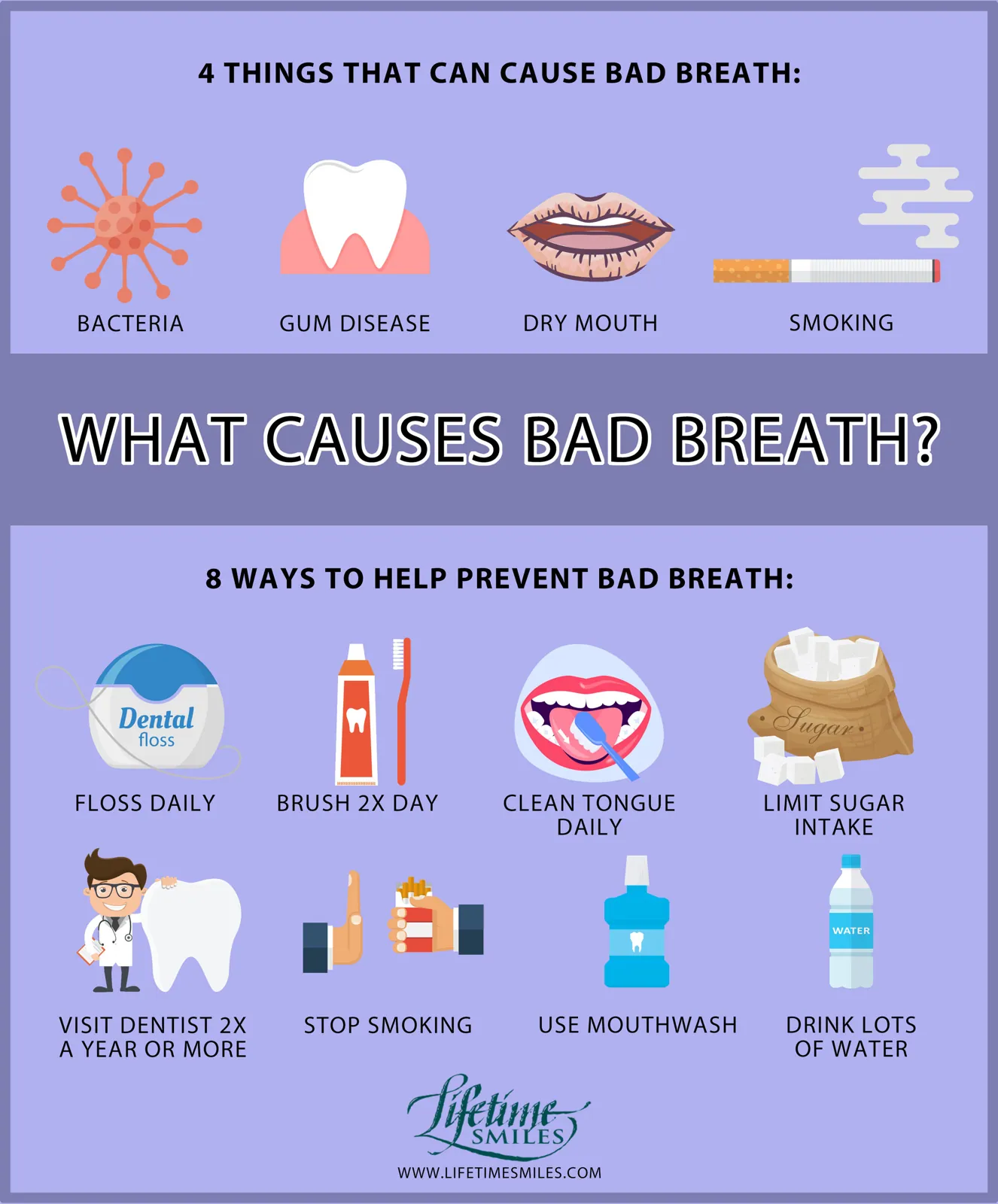
- Chronic bad breath— Bacteria causes bad breath. If the gums become infected, that means bacteria is present.
- Sensitive gums— The gums will become sensitive to touch over a period of time.
If gum disease is not caught early on, the condition may progress to periodontal disease. Periodontal disease requires extra care and treatment.
Periodontal Disease Treatment and Diagnosis at Lifetime Smiles
It is recommended to visit the dentist once every six months. By doing so, Dr. Forester and our hygienists can keep an eye out for early warning signs of gum disease, so it can be caught and treated early.
At our office, we offer non-surgical, non-invasive periodontal disease treatment. If you have early signs of this disease, we can help. We can provide proper treatment based on the progression of periodontal disease.
Questions people ask us
Frequently asked questions
Something else on your mind? Call or text (770) 232-1830.
What are the warning signs of gum disease?
Gums that bleed easily; red, swollen, tender gums; gums that have pulled away from the teeth; persistent bad breath or bad taste; permanent teeth that are loose or separating; any change in the way your teeth fit together when you bite.
Source: American Dental Association, MouthHealthy — Gum Disease.
What's the difference between gingivitis and periodontitis — and can it be reversed?
Gingivitis is the early stage of gum disease. At this stage, the disease is still reversible and can usually be eliminated by a professional cleaning at your dental office, followed by daily brushing and flossing. Advanced gum disease is called periodontitis. It can lead to the loss of tissue and bone that support the teeth, and it may become more severe over time — it is managed, not reversed.
Source: American Dental Association, MouthHealthy — Gum Disease.
How is gum disease treated?
Treatment depends on the type of disease and how far the condition has progressed. At Lifetime Smiles, treatment is non-surgical and non-invasive, focused on cleaning below the gumline, where a brush and floss can’t reach, and then keeping things that way together. Good dental care at home is essential to help keep periodontal disease from becoming more serious or recurring.
Source: American Dental Association, MouthHealthy — Gum Disease.
Can gum disease affect the rest of my body?
Research between systemic diseases and periodontal diseases is ongoing. While a link is not conclusive, some studies indicate that severe gum disease may be associated with several other health conditions such as diabetes or stroke.
Source: American Dental Association, MouthHealthy — Gum Disease.
How can I prevent gum disease, or keep it from coming back?
Brush your teeth twice a day, clean between your teeth daily, eat a balanced diet, and schedule regular dental visits.
Source: American Dental Association, MouthHealthy — Gum Disease.
How often should I be checked for gum disease?
Regular dental checkups and periodontal examinations are very important, because it is possible to have gum disease and have no warning signs. At Lifetime Smiles, we recommend visiting the dentist once every six months so early warning signs can be caught and treated early.
Source: American Dental Association, MouthHealthy — Gum Disease.

Reviewed by Dr. Jim Forester
James G. Forester, DDS · Emory University School of Dentistry, 1981 · Kois Center Clinical Instructor since 2019 · Practicing in Johns Creek since 1997
Come see us
We can’t wait to see your smile.
Neighbors caring for neighbors, and new faces are always welcome. Call us — we’ll save you a chair.