Restorative dentistry
Porcelain Dental Crowns
Dentists have crowned teeth for well over a century — the porcelain crown was patented in 1889.
“A crown can make your tooth stronger and improve its appearance.”
A Damaged Tooth Doesn’t Always Mean Losing It.
Cracked tooth? Broken filling? A tooth that’s worn down or weakened?
A porcelain dental crown can help protect your tooth, restore its strength, and make it look and feel natural again.
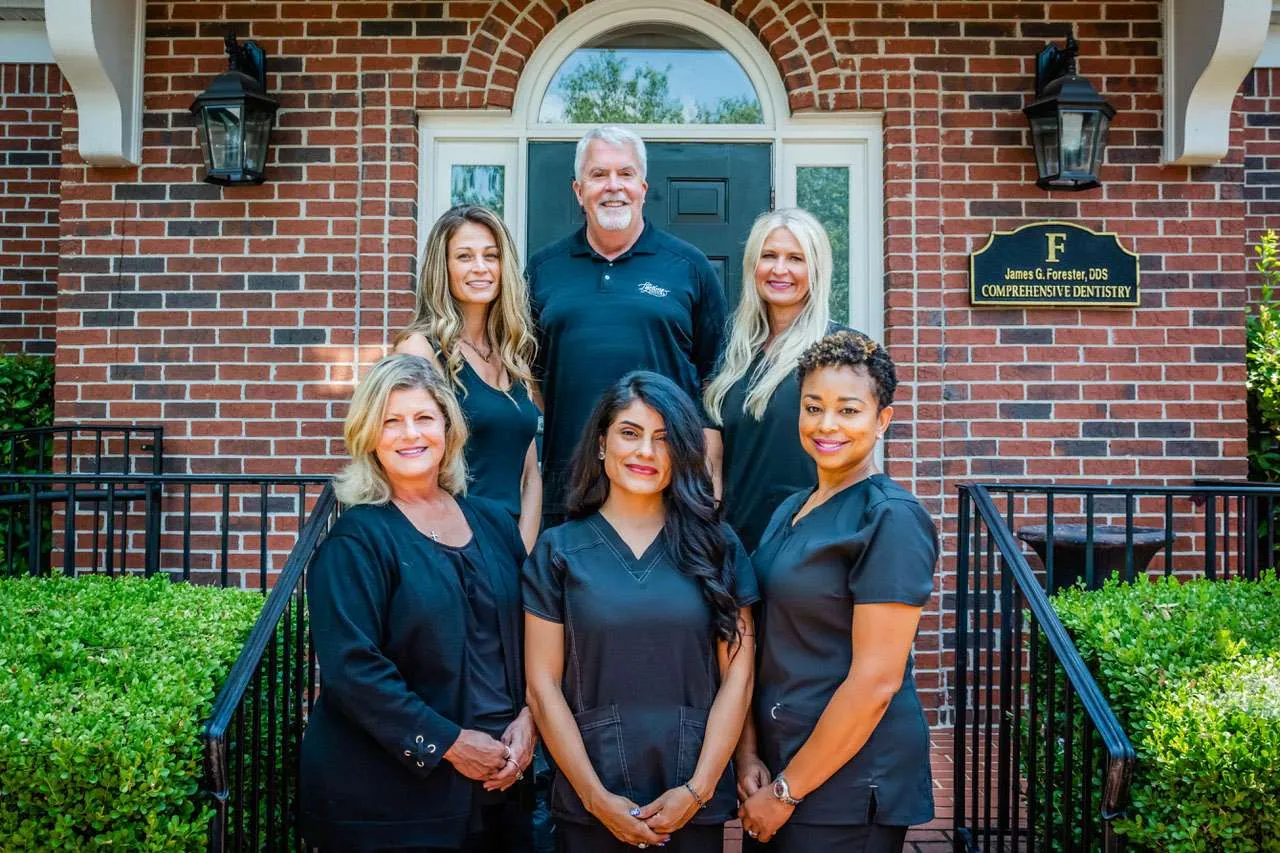
At Lifetime Smiles, Dr. Jim Forester takes the time to understand what’s going on and help you decide if a crown is the right solution.
When Do You Need a Dental Crown?
A crown fits over your existing tooth to help protect and restore it. We commonly recommend crowns for:
- Cracked, chipped, or broken teeth
- Teeth weakened by large fillings or decay
- Worn-down teeth
- Teeth that have had root canal treatment
- Teeth that need cosmetic improvement
Not every damaged tooth needs a crown. Dr. Forester will examine your tooth, explain your options, and recommend what makes sense.
A Natural Look. A Comfortable Fit.
Your crown should feel like part of your smile, not something foreign in your mouth.
We use 3Shape TRIOS digital scanning to capture a detailed image of your teeth without the messy impression trays.
Your crown is then custom-made to fit your bite and blend with your surrounding teeth.
What Should You Expect?
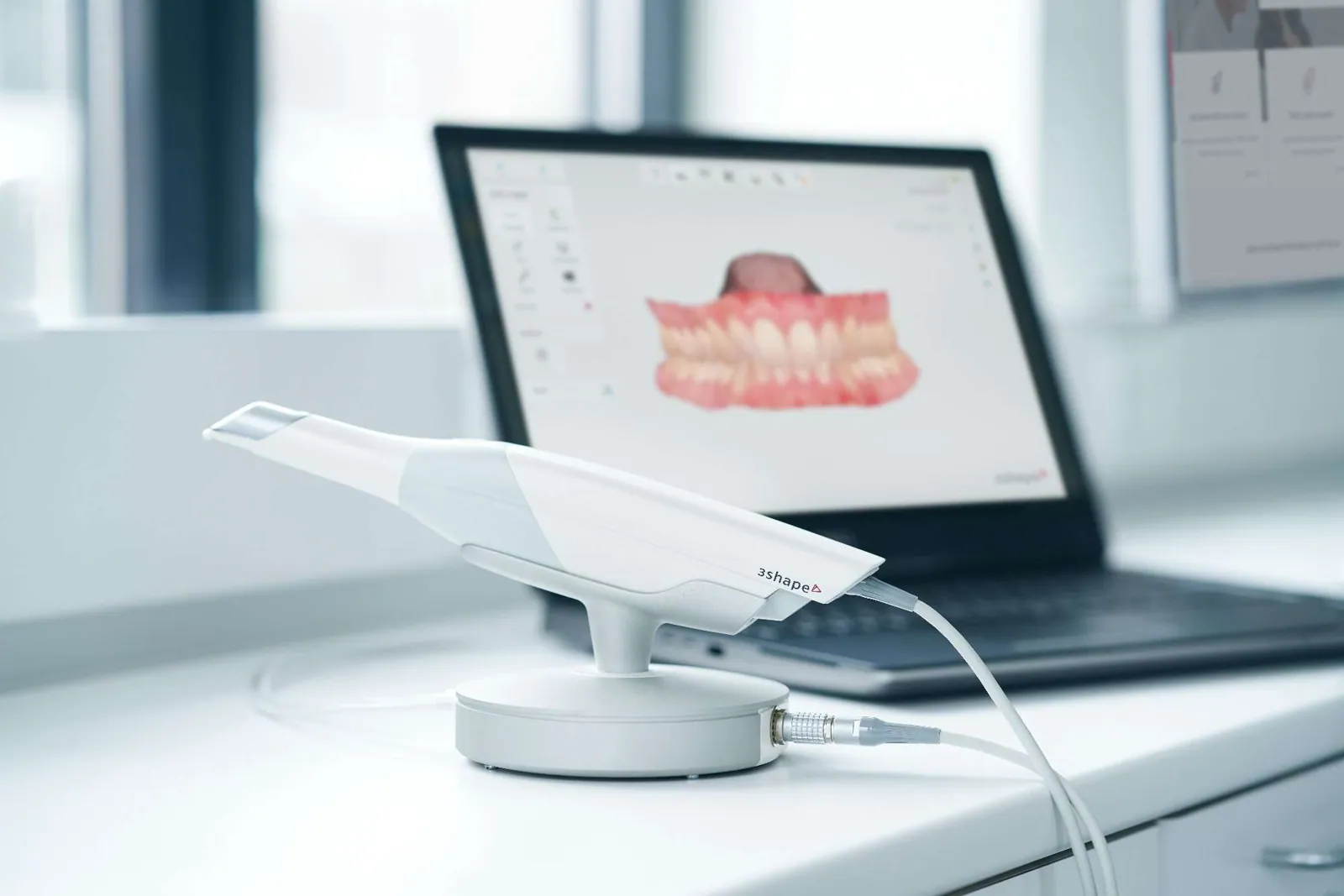
The process is straightforward. Dr. Forester prepares the tooth, takes a digital scan, and places a temporary crown while your permanent one is made.
When it’s ready, we’ll check the fit, appearance, and bite before securing it in place.
We’ll explain everything along the way and make sure your questions are answered.
Questions people ask us
Frequently asked questions
Something else on your mind? Call or text (770) 232-1830.
What does a crown do, and when do I need one?
A crown covers a tooth to restore its normal shape and size and make it stronger. That includes a tooth with a large filling when there isn’t enough tooth left to hold the filling, a weak or already-broken tooth, and teeth that are discolored or badly shaped. It’s also used to cover a dental implant.
Source: American Dental Association, MouthHealthy — Crowns
What should I expect during the process?
Dr. Forester prepares the tooth, takes a digital scan with 3Shape TRIOS instead of impression trays, and places a temporary crown while the permanent one is made. When it’s ready, fit, appearance, and bite are checked before it’s secured in place.
Will it look natural?
That’s the aim: each crown is custom-made to fit your bite and blend with the surrounding teeth, and porcelain is chosen because it mimics natural enamel. It won’t be identical to a natural tooth in every case, but the goal is a tooth that looks like part of your smile, not something foreign.
Source: American Dental Association, MouthHealthy — Crowns
How long will a crown last?
With good care, crowns commonly last many years. A recent systematic review and meta-analysis of tooth-supported single crowns (64 studies, literature 2014-2024) estimated five-year survival of 98.5% for monolithic lithium-disilicate crowns and 97.1% for metal-ceramic crowns — but material, tooth position, bite, and care all matter, so that’s literature, not a promise for any one tooth.
Why would I need a crown instead of just a filling?
When a tooth has a large filling and there isn’t enough tooth remaining to hold that filling, a crown is the way to strengthen it. Not every damaged tooth needs one — that’s decided at the exam, from what’s actually left of the tooth.
Source: American Dental Association, MouthHealthy — Crowns
How do I take care of a crown?
Treat it like a natural tooth: brush, clean between teeth, and keep regular exams and cleanings so the tooth underneath and the gum around it stay healthy. If a crown ever feels loose, chips, or doesn’t bite right, come in rather than trying to fix it yourself.
Let’s Take a Look at That Tooth.
Whether you’re dealing with a broken tooth, an old crown that needs replacing, or something that just doesn’t feel right, we’re happy to help.
No pressure. No unnecessary treatment. Just honest recommendations and dentistry that puts you first.
Learn more: American Dental Association — Crowns.
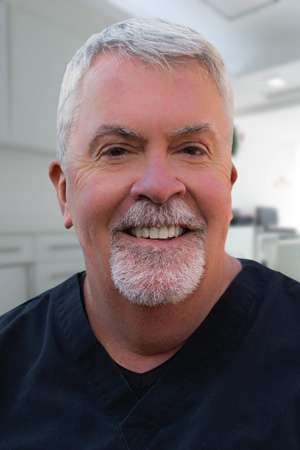
Reviewed by Dr. Jim Forester
James G. Forester, DDS · Emory University School of Dentistry, 1981 · Kois Center Clinical Instructor since 2019 · Practicing in Johns Creek since 1997
Come see us
We can’t wait to see your smile.
Neighbors caring for neighbors, and new faces are always welcome. Call us — we’ll save you a chair.