
Restorative dentistry
Root Canal Therapy
A root canal doesn’t cause pain — it relieves it, by removing the infected tissue inside the tooth.
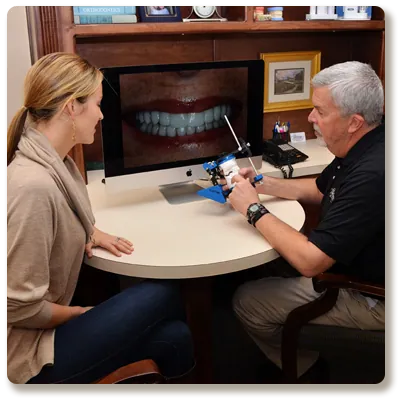
“Root canal treatment is an often straightforward procedure to relieve dental pain and save your teeth.”
Tooth Pain? Let’s Take a Look.
A root canal can relieve tooth pain and save your natural tooth when the tissue inside becomes infected or badly damaged.
At Lifetime Smiles, Dr. Forester takes the time to explain what’s happening, answer your questions, and help you feel comfortable with your treatment.
Signs You May Need a Root Canal
- A toothache that won’t go away
- Lingering sensitivity to hot or cold
- Pain when biting or chewing
- Swelling or tenderness near a tooth
Not every toothache needs a root canal. An exam will help us determine what’s going on.
What to Expect
We’ll examine your tooth, take X-rays when needed, and explain your options.
If a root canal is recommended, the area is numbed before the damaged or infected tissue is removed. The tooth is then cleaned and sealed, often followed by a dental crown to protect it.
With modern anesthesia, treatment is generally comfortable, although some soreness afterward is normal.
Questions people ask us
Frequently asked questions
Something else on your mind? Call or text (770) 232-1830.
Does a root canal cause pain, or relieve it?
It relieves it. A root canal removes infected tissue inside the tooth, and with local anesthesia there is little to no pain during the procedure. Afterward, some soreness is normal — the tooth and surrounding area may feel sensitive for a few days.
Source: American Dental Association, MouthHealthy — Root Canals
What are the signs I might need one?
A toothache that won’t go away, lingering sensitivity to hot or cold, pain when biting or chewing, and swelling or tenderness near a tooth. Not every toothache needs a root canal — an exam determines what’s going on. The pulp inside can become infected from a deep cavity, repeated procedures, a cracked tooth, or injury, even without a visible crack.
Source: American Dental Association, MouthHealthy — Root Canals
What's involved, and how many visits does it take?
Usually 1 or 2 office visits. First, X-rays and numbing, with a thin rubber sheet keeping the tooth dry and clean. Then an opening is made, the nerve is removed from inside the tooth and roots, the canals are cleaned and treated, and they’re filled with a rubber-like material to seal against future infection. A temporary filling protects the tooth until the permanent restoration.
Sources: American Dental Association, MouthHealthy — Root Canals; American Association of Endodontists — Root Canal Treatment
Will I need a crown afterward?
Often, yes. At a follow-up visit the temporary filling is removed and replaced with a regular filling or a crown to protect the tooth from further damage. A post may also be placed in the root canal to help hold the filling material and support a crown if you need one.
Source: American Dental Association, MouthHealthy — Root Canals
What should I expect after treatment?
The tooth and area around it may feel sensitive for a few days — talk with the dentist about relieving any discomfort. Antibiotics may be prescribed if the infection spread, to be used as directed, with a follow-up if you have any problems taking them.
Source: American Dental Association, MouthHealthy — Root Canals
How long will the restored tooth last?
With proper care, a restored tooth can last a lifetime: brush twice a day for two minutes with fluoride toothpaste, clean between your teeth once a day, and see your dentist regularly.
Source: American Dental Association, MouthHealthy — Root Canals
Let’s Get You Feeling Better
Don’t keep putting up with tooth pain. We’ll help you understand the problem and what it takes to fix it.
Medical references: American Association of Endodontists — Root Canal Treatment and American Dental Association — Root Canals.

Reviewed by Dr. Jim Forester
James G. Forester, DDS · Emory University School of Dentistry, 1981 · Kois Center Clinical Instructor since 2019 · Practicing in Johns Creek since 1997
Come see us
We can’t wait to see your smile.
Neighbors caring for neighbors, and new faces are always welcome. Call us — we’ll save you a chair.