Restorative dentistry
Sedation dentistry for people who dread the dentist
More than a third of adults feel anxious about the dentist — sedation exists for exactly that reason.
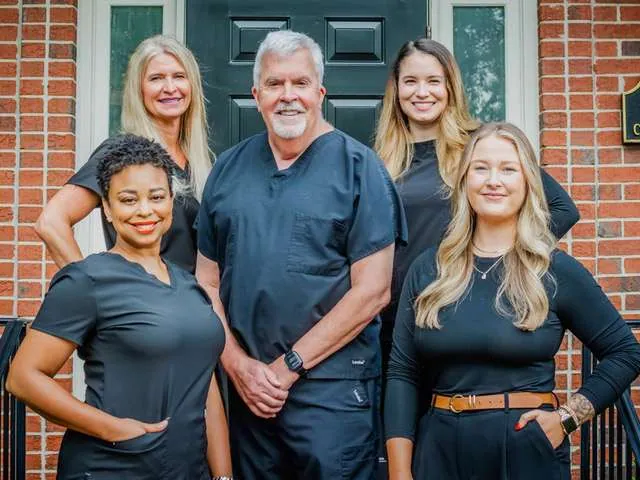
“If you ever get nervous just thinking about going to the dentist, you’re not alone — the right dental team will make sure your dental and your emotional health are taken care of.”
Sedation for patients who dread the dentist
She said it right out loud, in the chair, with her hands folded tight, and we were glad she did. Dental fear is not a character flaw, and it’s a lot more common than the people who have it believe.
What we promise an anxious patient is simpler than any technique: we go at your speed. We explain before we do. You can stop us at any point, for any reason, and nobody will sigh about it. Some people need one quiet first visit where all we do is talk, and that’s a perfectly good visit. The goal is to make coming back stop feeling like something to dread.
You’re not the only one
Plenty of grown adults are afraid of the dentist. Some had a bad experience years ago. Some can’t stand the sounds, or the feeling of not being in control. Some have put off care for so long that the embarrassment is worse than the fear. Whatever your reason is, it is a normal reason, and you will not shock us with it. (Source: American Dental Association — MouthHealthy)
If fear is the thing standing between you and getting your teeth fixed, sedation can help make the appointment something you can get through.
What sedation does
Sedation means medicine that helps you relax during your appointment. (Source: American Association of Oral and Maxillofacial Surgeons) You’re not being put to sleep. You’re awake, you can respond, and you breathe on your own. You’re just calm, and the time goes by much faster. Many patients remember very little of the visit afterward. For most of them, that is a relief.
Because you feel relaxed, we can often get more done in one visit. That’s a real help if you’ve been putting things off and have a list of work to catch up on. Fewer visits means fewer times you have to work up the nerve.
Who it’s for
Sedation helps people who get anxious before or during dental work. People with a strong gag reflex. People who have trouble getting numb. People who need a lot of work done and would rather do it in fewer, longer visits. And people who simply know themselves and know they won’t show up without it. That last group might be the biggest one.
What it costs and what affects it
The cost depends on the type of sedation and how long your appointment runs. We don’t participate with any dental insurance plan, and that’s on purpose. You pay us directly for your care, and you’ll know the full cost before we begin. When you call, ask us to include sedation in the estimate.
What we ask of you
For some kinds of sedation, you’ll need someone to drive you home, and you may need to skip eating for a while before the appointment. We’ll go over all of that when we schedule you, in plain terms, and give it to you in writing so there’s nothing to remember under stress.
Questions people ask us
Frequently asked questions
Something else on your mind? Call or text (770) 232-1830.
What kind of sedation does Dr. Forester offer?
Nitrous oxide — breathed in through a small mask over the nose, mixed with oxygen. It helps you relax during the appointment. You’re not put to sleep: you’re awake, you can respond, and you breathe on your own.
Source: American Association of Oral and Maxillofacial Surgeons
Will I be asleep?
No. You’ll be relaxed and awake, able to respond — and most patients remember little of the appointment afterward. Time tends to go by faster.
Source: American Association of Oral and Maxillofacial Surgeons
Is sedation safe, and how am I monitored?
Sedation is widely used, and you’re monitored the whole time. Health history and medications are reviewed first, and if sedation isn’t a good fit, we’ll tell you and find another way to make the visit manageable. Under the ADA’s sedation guidelines, monitoring during treatment includes consciousness, oxygenation, and ventilation.
Source: ADA Guidelines for the Use of Sedation and General Anesthesia by Dentists, adopted October 2025.
What does nitrous oxide feel like, and how quickly does it wear off?
You may feel warm, floaty, or heavy, with tingling in fingers or toes — and you stay conscious, aware, and able to talk. The level can be adjusted during the procedure, and at the end extra oxygen helps you feel alert. The effects wear off quickly once the gas stops.
Source: NHS inhalation-sedation patient guidance, updated August 2025; ADA Tip Sheet on Nitrous Oxide
Who is nitrous oxide for, and what should I tell you first?
People who get anxious before or during dental work, people with a strong gag reflex, people who have trouble getting numb, people who need a lot of work in fewer visits, and people who know they won’t show up without it. Beforehand, tell us about your health history, medications, and anything that makes breathing through your nose difficult — patient selection for nitrous oxide specifically considers tolerance of the nasal mask, ability to breathe through the nose, and recent illness.
Source: American Academy of Pediatric Dentistry nitrous oxide safety overview
I've avoided the dentist for years. Is it too late?
It’s not. We see this often, and there is almost always a way forward. The first move is just a call — and that first step can be only a conversation, not a chair.
Start with a conversation, not a chair
If it’s been a long time, your first step can just be a talk. Come in, meet Dr. Forester, see the office, and tell us what worries you. No exam you didn’t agree to, no work you didn’t ask for. A lot of our most loyal patients started exactly that way.
Call (770) 232-1830 and tell us you’re nervous. That one sentence changes how we handle everything. We’re open Monday through Thursday from 7:00 AM in Johns Creek.
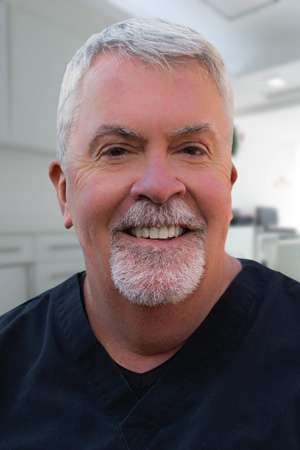
Reviewed by Dr. Jim Forester
James G. Forester, DDS · Emory University School of Dentistry, 1981 · Kois Center Clinical Instructor since 2019 · Practicing in Johns Creek since 1997
Come see us
We can’t wait to see your smile.
Neighbors caring for neighbors, and new faces are always welcome. Call us — we’ll save you a chair.